
Robotic Process Automation: Transforming Business Workflows
4 min read
09 Nov 2026
 By Sayan Gosh
Robotic Process Automation (RPA) is reshaping business workflows by automating repetitive tasks and streamlining operations across industries. RPA software robots, or "bots," mimic human actions to interact with digital systems, execute tasks, and process data with speed, accuracy, and consistency, enabling organizations to enhance efficiency, reduce costs, and focus human resources on value-added activities.
Advancements in RPA technology include cognitive automation capabilities, machine learning algorithms for decision-making, and natural language processing for handling unstructured data. These technologies empower RPA bots to perform complex tasks such as data entry, invoice processing, customer service inquiries, and IT support, improving operational agility and scalability for businesses.
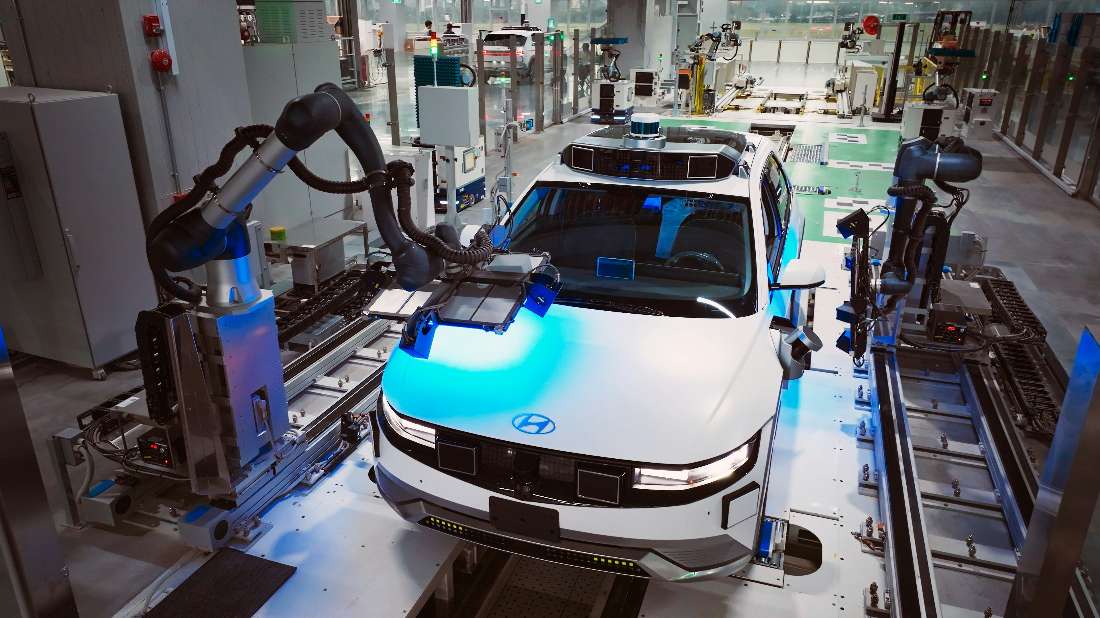
Applications of RPA span across various business functions, including finance, human resources, supply chain management, and customer relationship management. In finance, RPA automates account reconciliation, financial reporting, and compliance audits, reducing errors and accelerating financial close processes. In HR, RPA streamlines employee onboarding, payroll processing, and performance management tasks, enhancing workforce productivity and satisfaction.
Integration of RPA with existing IT systems involves seamless deployment of bots through APIs and integration platforms, ensuring compatibility with enterprise applications and data security protocols. RPA implementations also emphasize governance frameworks, compliance with regulatory standards, and continuous monitoring to mitigate risks and ensure operational reliability.
Challenges in adopting RPA include selecting suitable processes for automation, managing bot scalability, and addressing workforce concerns about job displacement or skill shifts. Overcoming these challenges requires strategic planning, stakeholder engagement, and upskilling employees to collaborate effectively with RPA technologies.
Future trends in RPA focus on intelligent automation, where RPA bots interact with AI systems, analyze unstructured data, and make autonomous decisions. Advancements may include robotic orchestration for coordinating workflows across multiple bots and adaptive RPA for self-learning and process optimization.
Ethical considerations in RPA adoption encompass data privacy, transparency in automated decision-making, and socio-economic impacts on employment dynamics. Addressing these concerns involves ethical guidelines, stakeholder dialogue, and responsible deployment of RPA technologies to uphold fairness and accountability in business operations.
In conclusion, RPA represents a transformative approach to business process management, enabling organizations to achieve greater operational efficiency, agility, and innovation. By leveraging RPA's capabilities, businesses can navigate complex challenges, capitalize on digital opportunities, and drive sustainable growth in a rapidly evolving marketplace.
RPA is not just a tool for automation but a strategic enabler of business transformation, empowering enterprises to thrive in the era of digital disruption.
FAQs
More Articles

Artificial Intelligence in Drug Discovery and Development
6 min read | 15 Aug 2026

Tech for Good: Innovations Driving Social Impact
4 min read | 14 Aug 2026

Cybersecurity Trends: Staying Ahead of Emerging Threats
4 min read | 13 Aug 2026

The Role of Technology in Disaster Recovery and Relief
6 min read | 12 Aug 2026
More Articles

From Fans to Funders: Blockchain Revolutionizes Fan Engagement
7 min read | 12 Nov 2026

The Creator Economy on Steroids: Blockchain Empowers Content Creators
5 min read | 11 Nov 2026

Hacking the System: Ethical Hacking for a More Secure Blockchain
7 min read | 10 Nov 2026

The Energy Paradox: Powering the Blockchain Revolution Sustainably
4 min read | 09 Nov 2026