
Artificial Intelligence in Drug Discovery and Development
6 min read
15 Aug 2026
 By Lewis Adam
Artificial Intelligence (AI) is revolutionizing drug discovery and development processes, accelerating innovation, and transforming the pharmaceutical industry's approach to combating diseases.
AI-Driven Drug Design: Accelerating Innovation
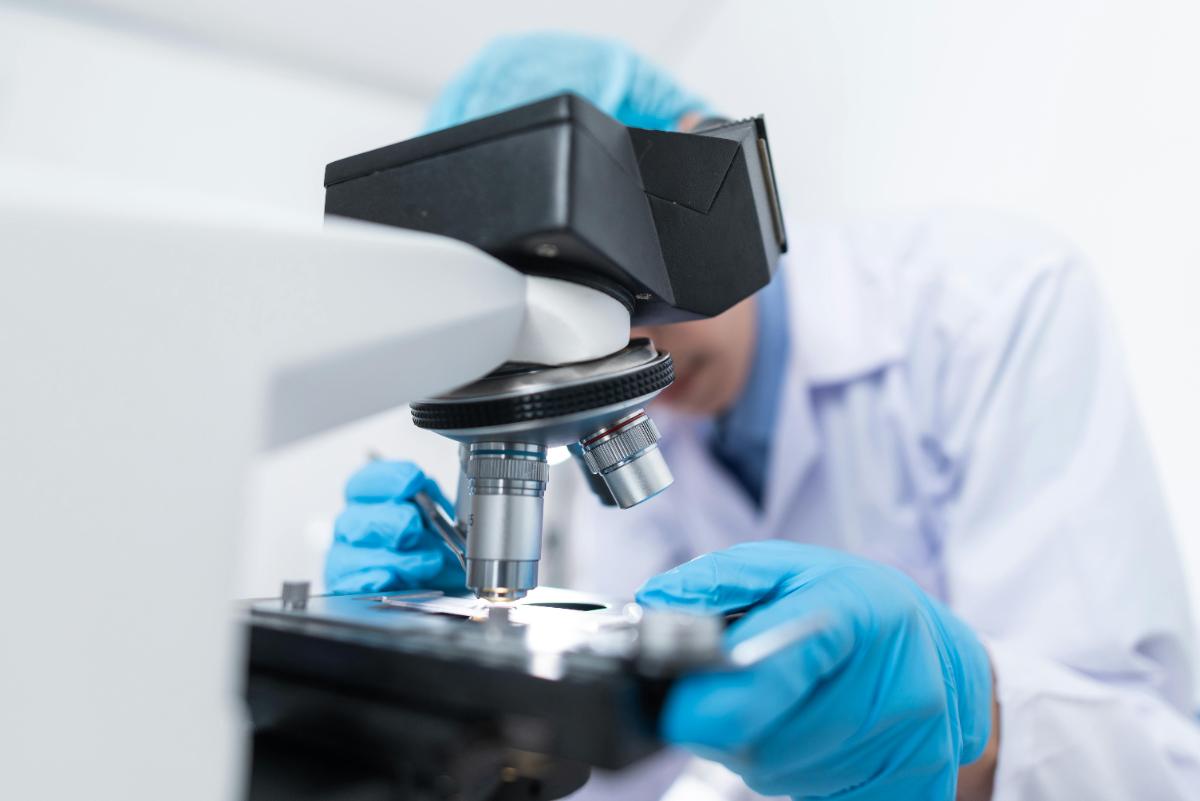
AI algorithms simulate molecular interactions, predict compound properties, and optimize drug candidates' design, significantly reducing time and cost in early-stage drug discovery.
Machine Learning in Target Identification
Machine learning models analyze biological data, genomic information, and disease pathways to identify novel drug targets, prioritize therapeutic opportunities, and personalize treatment approaches.
Predictive Analytics and Big Data Integration
Big data analytics integrate diverse datasets, including genomics, clinical trials, and real-world patient data, to identify disease biomarkers, predict drug efficacy, and optimize clinical trial designs.
Virtual Screening and High-Throughput Screening
Virtual screening platforms and AI-enabled algorithms screen vast chemical libraries, identify potential drug candidates, and prioritize compounds for experimental validation in high-throughput screening assays.
Personalized Medicine and Biomarker Discovery
AI analyzes patient data, genetic profiles, and biomarker signatures to stratify patient populations, predict treatment responses, and develop targeted therapies for precision medicine applications.
Drug Repurposing and Combination Therapies
AI algorithms repurpose existing drugs for new indications, predict synergistic drug combinations, and optimize therapeutic regimens to enhance efficacy, reduce side effects, and accelerate clinical adoption.
Regulatory Compliance and Drug Safety
AI-powered platforms assess drug safety profiles, predict adverse reactions, and ensure regulatory compliance throughout the drug development lifecycle, enhancing patient safety and regulatory approval processes.
AI-Driven Clinical Trials and Real-World Evidence
AI streamlines clinical trial recruitment, monitors patient outcomes in real time, and leverages real-world evidence (RWE) to validate treatment efficacy, support regulatory submissions, and inform healthcare decision-making.
Ethical Considerations and Future Challenges
Addressing ethical implications of AI algorithms, data privacy concerns, bias mitigation, and regulatory harmonization are critical to fostering trust, transparency, and responsible AI deployment in drug discovery.
Collaborative Innovation and Industry Adoption
Collaborations between pharmaceutical companies, AI startups, academic institutions, and regulatory bodies drive innovation, scale AI capabilities, and expedite transformative advancements in drug discovery and development.
Conclusion
In conclusion, AI's integration into drug discovery and development workflows promises to revolutionize therapeutic innovation, accelerate time-to-market for novel treatments, and improve patient outcomes in global healthcare.
FAQs
More Articles

Empowering Accessibility: AR and VR for People with Disabilities
3 min read | 01 Nov 2026

AR and VR in Industrial Applications: Innovations in Manufacturing
3 min read | 31 Oct 2026

Revolutionizing Retail: AR and VR Experiences in Shopping
4 min read | 30 Oct 2026
The Art of Immersion: AR and VR in Creative Industries
4 min read | 29 Oct 2026
More Articles

Using VR for Remote Collaboration: How Virtual Reality Is Bridging Distance Gaps
5 min read | 16 Nov 2026
The Evolution of AR Glasses: What to Expect from the Next Generation
5 min read | 24 Nov 2026

How VR is Shaping the Future of Travel: Virtual Destinations and Experiences
6 min read | 23 Nov 2026
AR in Healthcare: From Surgical Navigation to Patient Education
7 min read | 22 Nov 2026