
Intelligent Automation: How Robots Are Taking Over Mundane Tasks
5 min read
15 Sep 2026
 By Neha Jain
Intelligent Automation refers to the integration of artificial intelligence (AI) and robotic process automation (RPA) to streamline and automate routine tasks. This article explores the impact of intelligent automation on workplaces, the benefits it offers, and the future trends shaping this transformative technology.
Understanding Intelligent Automation
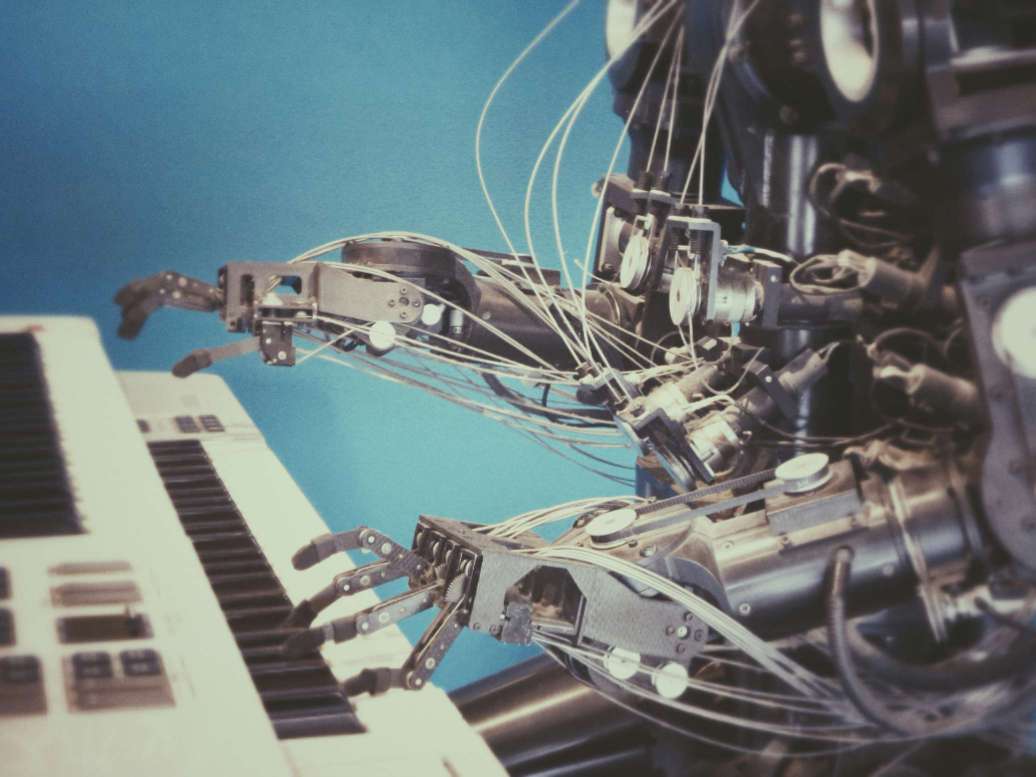
Intelligent automation combines AI-powered decision-making with RPA's ability to execute repetitive tasks, creating a seamless workflow that enhances efficiency and accuracy in business operations. It involves cognitive capabilities such as natural language processing, machine learning, and predictive analytics to automate complex processes.
Benefits of Intelligent Automation
Enhanced Efficiency: Automating mundane tasks allows employees to focus on strategic initiatives and innovation.
Cost Savings: Reducing operational costs associated with manual labor and minimizing errors in routine processes.
Scalability: Scaling operations effortlessly to accommodate growing business demands without significant increases in workforce size.
Improved Accuracy: Ensuring consistent and error-free execution of tasks through AI-driven decision-making and robotic precision.
Impact on Workplaces
Job Transformation: Shifting job roles from repetitive tasks to higher-value activities that require human judgment and creativity.
Workforce Productivity: Augmenting workforce capabilities by enabling employees to leverage AI and RPA tools for enhanced productivity.
Skill Development: Encouraging continuous learning and upskilling to adapt to evolving technologies and new job responsibilities.
Challenges and Considerations
Workforce Transition: Managing workforce transitions and addressing concerns about job displacement through proactive training and support programs.
Data Security: Ensuring robust cybersecurity measures to protect sensitive data processed and stored by intelligent automation systems.
Ethical Implications: Addressing ethical considerations related to AI decision-making, transparency, and accountability in automated processes.
Future Trends
As intelligent automation continues to evolve, advancements in AI, machine learning, and RPA will drive innovation across industries. Organizations that strategically integrate intelligent automation into their operations can achieve greater agility, competitiveness, and resilience in a rapidly changing digital landscape.
FAQs
More Articles

Artificial Intelligence in Drug Discovery and Development
5 min read | 15 Aug 2026
Tech for Good: Innovations Driving Social Impact
6 min read | 14 Aug 2026

Cybersecurity Trends: Staying Ahead of Emerging Threats
4 min read | 13 Aug 2026

The Role of Technology in Disaster Recovery and Relief
6 min read | 12 Aug 2026
More Articles

The Environmental Impact of Blockchain: Exploring Sustainable Solutions
7 min read | 09 Oct 2026

Regulation or Innovation? Navigating the Legal Landscape of Blockchain
4 min read | 08 Oct 2026

Security Concerns in the Blockchain Landscape: Mitigating Risks and Building Trust
6 min read | 07 Oct 2026

Blockchain's Scalability Challenge: Can it Handle Mass Adoption?
4 min read | 06 Oct 2026