
GovTech (Government Technology): Making Governments Smarter
5 min read
24 Oct 2026
 By Sayan Gosh
GovTech, short for Government Technology, is transforming how governments operate, deliver services, and engage with citizens. By leveraging advanced technologies, governments can become more efficient, transparent, and responsive. This article explores the key areas where GovTech is making a significant impact and how it's reshaping public administration.
Understanding GovTech

Definition and Scope: GovTech encompasses a wide range of technologies including artificial intelligence (AI), blockchain, the Internet of Things (IoT), and cloud computing, aimed at improving government operations and public services. Key Areas of Application: From digital identity systems and smart cities to predictive analytics and automated public service delivery, GovTech innovations are enhancing governance and public sector efficiency.
Benefits of GovTech
Enhanced Service Delivery: GovTech enables faster and more reliable public services through digital platforms, reducing bureaucratic delays and improving citizen satisfaction. Transparency and Accountability: By utilizing blockchain and data analytics, governments can enhance transparency, reduce corruption, and ensure accountability in public administration. Data-Driven Decision Making: Advanced analytics and AI allow governments to make informed decisions based on real-time data, leading to more effective policy implementation and resource allocation.
Challenges and Opportunities
Data Privacy and Security: Ensuring the protection of sensitive citizen data and maintaining robust cybersecurity measures is crucial as governments increasingly rely on digital platforms. Digital Inclusion: Addressing the digital divide and ensuring that all citizens have access to digital services, particularly in underserved and rural areas. Change Management: Training public sector employees and fostering a culture of innovation and adaptability within government organizations to effectively implement GovTech solutions.
Future Trends in GovTech
Smart Cities: Integrating IoT, AI, and data analytics to create smart cities that enhance urban living through efficient resource management, smart infrastructure, and citizen engagement. Digital Identity and E-Governance: Developing secure digital identity systems and e-governance platforms to streamline public services, improve access, and reduce administrative burdens. Predictive Analytics and AI: Leveraging predictive analytics and AI to anticipate public needs, improve emergency response, and enhance public safety and security.
Conclusion
GovTech is revolutionizing the public sector by making governments smarter, more efficient, and more responsive to citizen needs. As technological advancements continue to evolve, the potential for GovTech to transform governance and public administration is immense, paving the way for a more transparent, accountable, and inclusive future.
FAQs
More Articles

Photonic Computing: Light-Based Data Processing
5 min read | 10 Nov 2026
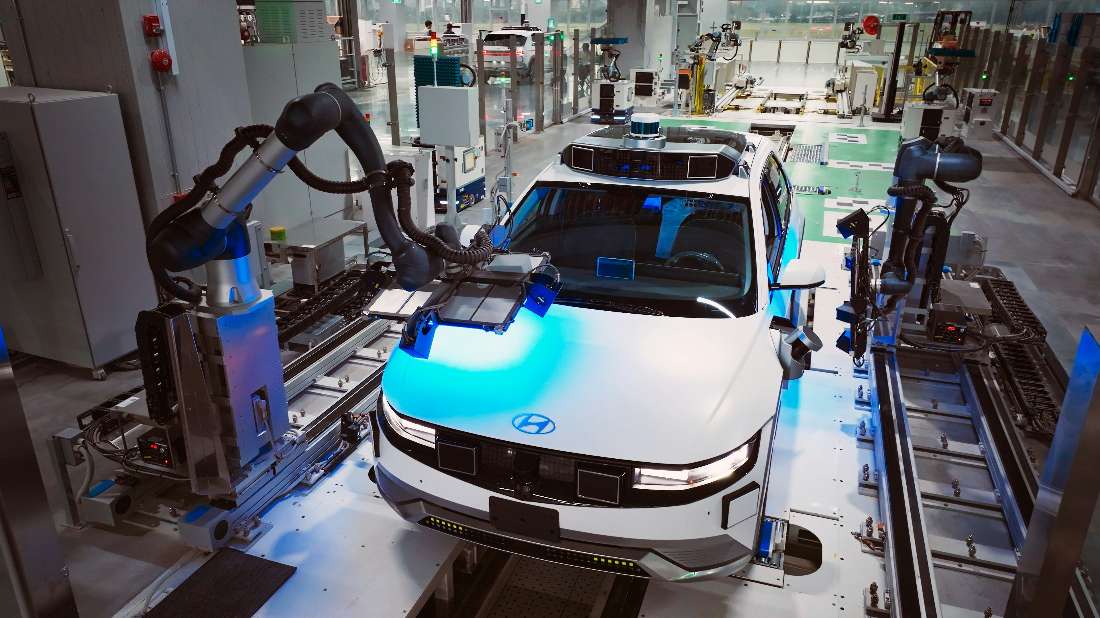
Robotic Process Automation: Transforming Business Workflows
7 min read | 09 Nov 2026

Autonomous Farming: The Future of Agriculture
7 min read | 08 Nov 2026

Smart Fabrics: The Integration of Technology in Textiles
5 min read | 07 Nov 2026
More Articles

Augmented Reality Marketing: Engaging Consumers in New Ways
6 min read | 25 Oct 2026

Exploring Virtual Worlds: The Promise of VR Gaming
3 min read | 24 Oct 2026

Designing the Future: The Use of AR and VR in Architecture and Design
6 min read | 23 Oct 2026

Training the Workforce: AR and VR in Corporate Learning and Development
4 min read | 22 Oct 2026