
Data Symphony: Harmonizing AI and ML for Innovation
4 min read
26 Sep 2026
 By Wilson Baker
Welcome to the Data Symphony! In today's data-driven world, Artificial Intelligence (AI) and Machine Learning (ML) are playing increasingly crucial roles in driving innovation and transforming industries. However, to unleash their full potential, AI and ML must work together in harmony, like instruments in an orchestra. In this article, we'll explore how organizations can harmonize AI and ML to orchestrate innovation and unlock new opportunities.
The Role of AI and ML
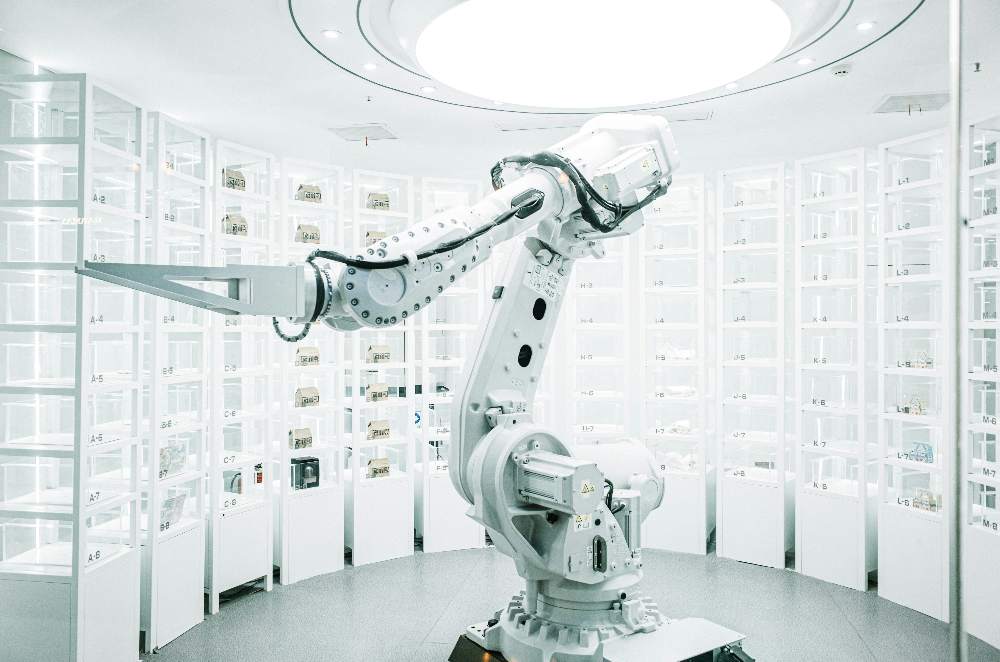
AI and ML technologies enable organizations to extract valuable insights from vast amounts of data, automate processes, and make data-driven decisions at scale. While AI focuses on mimicking human intelligence and decision-making, ML specializes in identifying patterns and learning from data to improve performance over time.
Harmonizing AI and ML
Harmonizing AI and ML involves integrating their capabilities and workflows to create synergistic solutions that leverage the strengths of both technologies. This integration enables organizations to develop more robust and scalable AI-driven applications, enhance predictive analytics, and optimize business processes.
Use Cases
Harmonizing AI and ML has numerous use cases across various industries, including: 1. Predictive Maintenance: AI and ML can analyze sensor data to predict equipment failures and schedule maintenance proactively, reducing downtime and optimizing asset performance. 2. Personalized Recommendations: By combining AI-powered recommendation engines with ML algorithms, organizations can deliver personalized content, products, and services tailored to individual user preferences and behaviors. 3. Fraud Detection: AI and ML can detect patterns of fraudulent activity by analyzing transaction data, user behavior, and other relevant factors, helping organizations identify and prevent fraudulent transactions in real-time.
Challenges and Considerations
Harmonizing AI and ML poses several challenges, including data integration, model compatibility, algorithm selection, and talent acquisition. Organizations must also address ethical considerations, privacy concerns, and regulatory compliance when deploying AI and ML solutions.
Best Practices
To successfully harmonize AI and ML, organizations should: 1. Foster Collaboration: Encourage collaboration between data scientists, AI engineers, domain experts, and business stakeholders to ensure alignment between AI/ML initiatives and business goals. 2. Invest in Infrastructure: Build robust data infrastructure and platforms that support the development, deployment, and scaling of AI and ML applications across the organization. 3. Embrace Continuous Learning: Foster a culture of continuous learning and experimentation to stay abreast of the latest AI and ML advancements and technologies.
The Future of Innovation
As AI and ML technologies continue to advance, their integration and harmonization will become increasingly important for driving innovation and gaining a competitive edge. Organizations that successfully harness the power of AI and ML to orchestrate innovation will be well-positioned to thrive in the digital age.
Conclusion
In conclusion, harmonizing AI and ML is essential for unlocking the full potential of data-driven innovation. By integrating their capabilities, addressing challenges, and embracing best practices, organizations can orchestrate a Data Symphony that drives transformative change and unlocks new opportunities for growth and success.
FAQs
More Articles
The Impact of Deep Learning on Natural Language Processing (NLP)
5 min read | 20 Nov 2026

AI in Climate Change: Can Machine Learning Help Save the Planet?
6 min read | 19 Nov 2026

AI in Education: How Machine Learning is Shaping Personalized Learning
6 min read | 18 Nov 2026
How AI is Enhancing Human-AI Collaboration in the Workplace
6 min read | 17 Nov 2026
More Articles

Introduction to AI and Machine Learning: A Beginner's Guide
6 min read | 06 Sep 2026

The Potential of VR for Skill Training: From Surgery to Space Exploration
7 min read | 25 Nov 2026

The Integration of AR in Live Events: Enhancing Audience Engagement and Interaction
6 min read | 24 Nov 2026

The Ethics of VR: Exploring the Psychological Impact of Virtual Realities
5 min read | 23 Nov 2026