
The Integration of AR in Live Events: Enhancing Audience Engagement and Interaction
6 min read
24 Nov 2026
 By Lewis Adam
Augmented Reality (AR) is revolutionizing live events by enhancing audience engagement and interaction through immersive and interactive experiences. By integrating AR technology into live events, organizers can create dynamic and captivating experiences that captivate audiences and elevate the overall event experience.
One of the key ways AR enhances live events is through interactive content and experiences. AR can overlay digital elements onto the physical environment, allowing attendees to interact with virtual objects, information, and animations. For example, at concerts, AR can be used to project virtual visual effects that synchronize with the music, creating a more immersive and engaging performance. Similarly, at sports events, AR can provide real-time stats, player information, and interactive games that enhance the viewing experience.
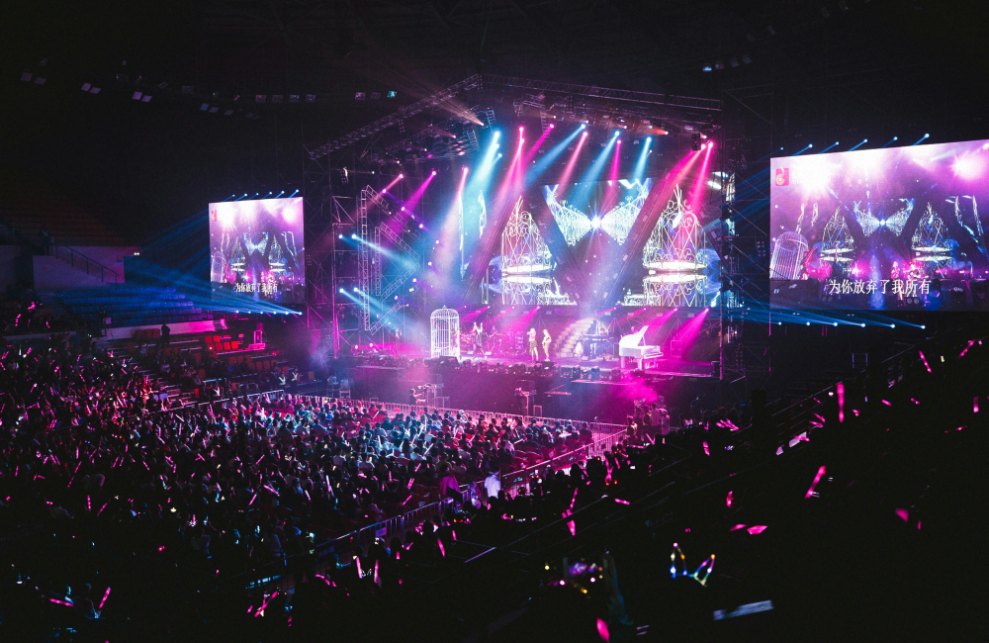
AR can also enhance audience participation by providing interactive features that encourage engagement. For instance, AR apps can enable attendees to participate in live polls, scavenger hunts, or augmented reality games that are integrated into the event. These interactive elements not only increase audience involvement but also create memorable and enjoyable experiences that extend beyond traditional event formats.
In addition to enhancing engagement, AR can improve event logistics and organization. AR technology can be used to provide attendees with interactive maps, navigation assistance, and real-time updates about event schedules and locations. This functionality helps streamline the event experience, making it easier for attendees to navigate large venues and access important information.
The integration of AR into live events also offers opportunities for creative and innovative event design. Event organizers can use AR to create unique and immersive environments that transform the physical space and transport attendees to virtual worlds. For example, AR can be used to create themed experiences, interactive installations, and visually stunning displays that captivate and engage audiences in new and exciting ways.
However, implementing AR in live events requires careful planning and consideration. Ensuring that AR experiences are user-friendly and accessible across different devices is crucial for maximizing their effectiveness. Additionally, event organizers must address potential technical challenges, such as ensuring stable connectivity and minimizing any disruptions to the event experience.
In conclusion, the integration of AR in live events offers exciting opportunities for enhancing audience engagement and interaction. By leveraging AR technology, organizers can create immersive and interactive experiences that captivate attendees and elevate the overall event experience. As AR technology continues to evolve, its role in live events is likely to grow, providing even more innovative ways to engage and entertain audiences.
FAQs
More Articles

Robotic Pet Companions: The Future of Animal-Free Companionship
4 min read | 29 May 2026

Mind-Controlled Gadgets: A Glimpse into Brain-Computer Interfaces
5 min read | 28 May 2026

The Challenges of Bias in AI: Can Machine Learning Ever Be Truly Fair?
6 min read | 25 Nov 2026
The Future of Quantum AI: What Happens When AI Meets Quantum Computing?
5 min read | 24 Nov 2026
More Articles

The Evolution of Blockchain Consensus Mechanisms: From Proof of Work to Proof of Stake
6 min read | 18 Nov 2026

Blockchain for Social Good: How Technology is Addressing Global Challenges
6 min read | 17 Nov 2026

The Challenges of Scaling Blockchain Technology: Solutions and Innovations
6 min read | 16 Nov 2026

Exploring the Intersection of Blockchain and Artificial Intelligence
5 min read | 24 Nov 2026