
Autonomous Drones: The Sky’s No Longer the Limit
6 min read
09 Oct 2026
 By Lewis Adam
Autonomous drones are revolutionizing industries and everyday life with their ability to perform tasks without human intervention. This article explores the applications, advancements, benefits, challenges, and future trends of autonomous drone technology.
Applications of Autonomous Drones
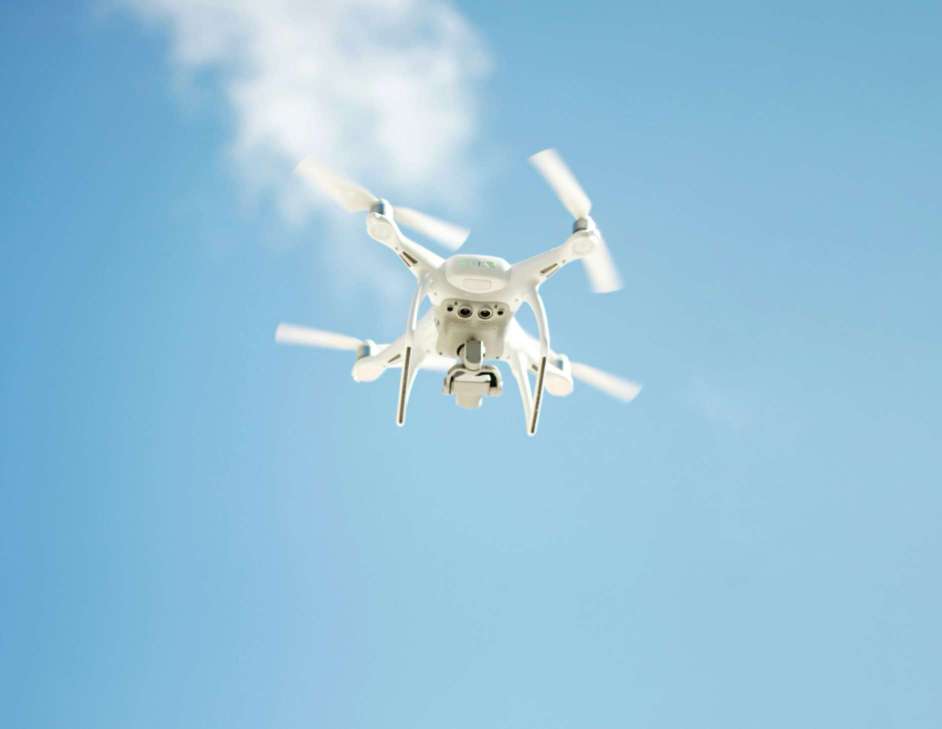
Aerial Photography and Videography: Capturing stunning aerial footage for film production, real estate, and tourism marketing.
Precision Agriculture: Monitoring crop health, soil conditions, and irrigation needs with drone-mounted sensors and cameras.
Delivery Services: Enabling fast and efficient delivery of goods and medical supplies to remote or inaccessible areas.
Advancements in Autonomous Drone Technology
Collision Avoidance Systems: Using sensors, GPS, and AI algorithms to navigate obstacles and ensure safe flight paths.
Longer Flight Times: Improving battery efficiency and lightweight materials to extend drone flight durations for longer missions.
Swarm Technology: Coordinating multiple drones to work together autonomously for complex tasks like search and rescue operations or large-scale infrastructure inspections.
Benefits and Impact
Cost Efficiency: Reducing operational costs and human labor by automating repetitive tasks and enhancing productivity in various industries.
Safety and Accessibility: Providing access to remote or hazardous environments without risking human lives, such as disaster zones or industrial facilities.
Environmental Monitoring: Collecting real-time data on wildlife, vegetation, and ecosystem changes for conservation efforts and environmental research.
Challenges and Considerations
Regulatory Compliance: Adhering to aviation regulations and obtaining permits for drone operations in different regions and airspace.
Privacy Concerns: Addressing public concerns about surveillance and data collection by drones, especially in urban areas or private properties.
Technology Limitations: Overcoming technical challenges such as battery life, payload capacity, and reliability of autonomous systems in adverse weather conditions.
Future Trends in Autonomous Drones
AI and Machine Learning: Enhancing drone autonomy with AI-powered decision-making, object recognition, and adaptive behavior in dynamic environments.
Urban Air Mobility (UAM): Integrating drones into urban transportation networks for passenger transport, aerial taxis, and emergency medical services.
5G Connectivity: Leveraging high-speed 5G networks for real-time data transmission, remote control, and enhanced drone communication capabilities.
Conclusion
As autonomous drone technology continues to evolve, it holds immense potential to transform industries, enhance safety, and improve quality of life. With ongoing advancements and regulatory developments, autonomous drones are set to redefine the future of aerial operations and contribute to a more connected and innovative society.
FAQs
More Articles
AI Odyssey: Journeying through the Realm of Machine Learning
5 min read | 28 Sep 2026

The Quantum Leap: AI & ML Redefining Possibilities
4 min read | 27 Sep 2026
Data Symphony: Harmonizing AI and ML for Innovation
4 min read | 26 Sep 2026

AI Governance: Policies and Regulations for AI Development
3 min read | 25 Sep 2026
More Articles

The Future of Augmented Reality: Apple's Vision with ARKit and AR Glasses
4 min read | 20 Jul 2026

Exploring the Evolution of Apple Watch: From Fitness Tracker to Health Companion
6 min read | 19 Jul 2026

MacBook Pro 2024: Redefining Power and Performance in Apple's Flagship Laptop
4 min read | 18 Jul 2026

iOS 18 Preview: What's Next for Apple's Mobile Operating System?
4 min read | 17 Jul 2026