
Virtual Reality Therapy: The Potential for Mental Health Treatment
4 min read
28 Oct 2026
 By Aditi Sharma
Virtual reality (VR) therapy is a groundbreaking approach to mental health treatment that leverages immersive technology to address a wide range of psychological disorders and symptoms. By creating realistic and interactive virtual environments, VR therapy offers unique therapeutic experiences that can complement traditional forms of therapy and provide new avenues for mental health care.
One of the key advantages of VR therapy is its ability to create controlled and customizable environments that simulate real-life situations. For individuals struggling with anxiety disorders, phobias, or post-traumatic stress disorder (PTSD), VR environments can provide a safe and gradual exposure to triggers, allowing them to confront and manage their fears in a controlled setting.
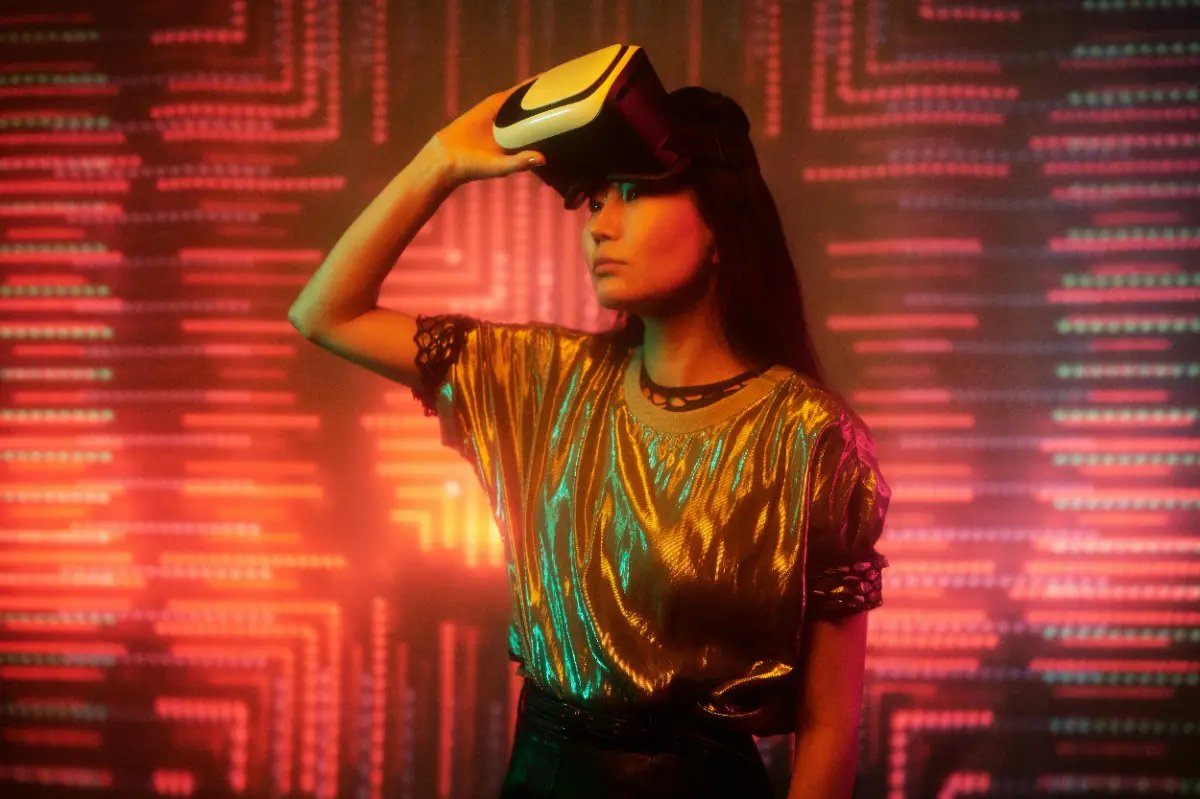
Moreover, VR therapy offers a level of immersion and engagement that traditional therapy methods may lack. By fully immersing patients in virtual environments, VR therapy can enhance the therapeutic process and increase emotional engagement, leading to more effective outcomes for patients.
Another benefit of VR therapy is its versatility in addressing a wide range of mental health issues. From anxiety and depression to PTSD and substance abuse disorders, VR therapy can be tailored to meet the specific needs of each individual, offering targeted interventions and support.
In addition to treating specific disorders, VR therapy can also be used for stress reduction and relaxation. By immersing patients in calming and serene virtual environments, VR therapy can help reduce stress levels, promote relaxation, and improve overall well-being.
Furthermore, VR therapy has the potential to overcome geographical and logistical barriers to mental health care. With VR technology, patients can access therapy sessions from the comfort of their own homes, eliminating the need for travel and making therapy more accessible and convenient for individuals with mobility issues or those living in remote areas.
From a clinical perspective, VR therapy offers therapists valuable insights into their patients' experiences and responses. By monitoring patients' reactions within virtual environments, therapists can gather data and adjust therapy sessions in real-time, ensuring that treatment remains effective and tailored to each individual's needs.
However, challenges remain, including the need for further research and validation of VR therapy techniques, the development of standardized protocols and guidelines, and concerns about the potential for over-reliance on technology in mental health care. Despite these challenges, the potential for VR therapy to revolutionize mental health treatment is significant, offering new hope and possibilities for individuals struggling with mental illness.
In conclusion, VR therapy represents a promising frontier in mental health treatment, offering immersive, engaging, and effective interventions for a wide range of psychological disorders and symptoms. As VR technology continues to evolve and become more accessible, the potential impact of VR therapy on mental health care is vast, promising new avenues for healing, growth, and recovery.
FAQs
More Articles

Blockchain Mining: The Backbone of Cryptocurrency Networks
3 min read | 13 Sep 2026

The Immutable Nature of Blockchain: Security and Data Integrity
3 min read | 12 Sep 2026

Consensus Mechanisms in Blockchain: A Comparative Analysis
5 min read | 11 Sep 2026

Understanding Distributed Ledger Technology: Beyond Blockchain
5 min read | 10 Sep 2026
More Articles

Apple Watch Series 7: Redefining Wearable Technology with Style
2 min read | 06 Jul 2026
Nothing Phone 2: The Minimalist Marvel of Mobile Technology
2 min read | 05 Jul 2026

Samsung Galaxy Z Fold 5: Unfolding the Future of Smartphones
4 min read | 04 Jul 2026

Samsung Galaxy Z Flip 5: The Latest Evolution in Foldable Phone Technology
5 min read | 03 Jul 2026