Oracles in Blockchain: Bridging the Gap Between Smart Contracts and Real-World Data
4 min read
26 Sep 2026
 By Sayan Gosh
Oracles play a crucial role in blockchain technology by providing a bridge between smart contracts, which operate on the blockchain, and real-world data and events that occur outside the blockchain ecosystem.
What are Oracles? Oracles are third-party services or middleware that retrieve and verify real-world data and feed it into smart contracts. They act as trusted sources of information, enabling smart contracts to execute based on external events, such as weather conditions, financial market data, or IoT sensor readings.

Types of Oracles: Oracles can be classified into different types based on their methods of data retrieval and validation. Software oracles rely on algorithms to aggregate and verify data from multiple sources. Hardware oracles use IoT devices or sensors to directly feed data into the blockchain. Trusted oracles are operated by reputable entities with a track record of providing accurate and reliable data.
Importance in Blockchain Applications: Oracles expand the functionality of smart contracts beyond the blockchain by enabling them to interact with real-world events and data. This capability opens up a wide range of use cases, including decentralized finance (DeFi), supply chain management, insurance, gaming, and more.
Challenges and Risks: Despite their benefits, oracles present several challenges and risks. Ensuring data accuracy and reliability is crucial, as incorrect or manipulated data can compromise the integrity of smart contract executions. Security vulnerabilities in oracle designs or operations can also be exploited to manipulate contract outcomes.
Decentralized Oracles: To address concerns about centralization and single points of failure, decentralized oracles have emerged. Decentralized oracle networks leverage multiple independent nodes to retrieve, verify, and deliver data to smart contracts, reducing reliance on single sources and enhancing security and reliability.
Use Cases: Oracles are integral to numerous blockchain applications. In DeFi, oracles provide price feeds for asset pricing, facilitate decentralized trading, and enable lending and borrowing based on real-time market data. Supply chain oracles track and verify product provenance and logistics data transparently and efficiently.
Future Trends: The evolution of oracles is likely to focus on improving data privacy, scalability, and interoperability across different blockchains and traditional systems. Advances in zero-knowledge proofs and secure multiparty computation may enhance oracle security and data confidentiality.
Conclusion: Oracles are essential components of blockchain ecosystems, enabling smart contracts to interact with real-world data and events in a trustless and automated manner. As blockchain adoption grows and new use cases emerge, the role of oracles in bridging the gap between blockchain technology and the real world will continue to expand.
FAQs
More Articles

Android Security in the Spotlight: Trends and Challenges in Protecting User Data
4 min read | 23 Jul 2026
Customization Unleashed: Exploring the Best Android Launchers of 2024
5 min read | 22 Jul 2026

Android 13: What to Expect from Google's Next Mobile OS Iteration
7 min read | 21 Jul 2026
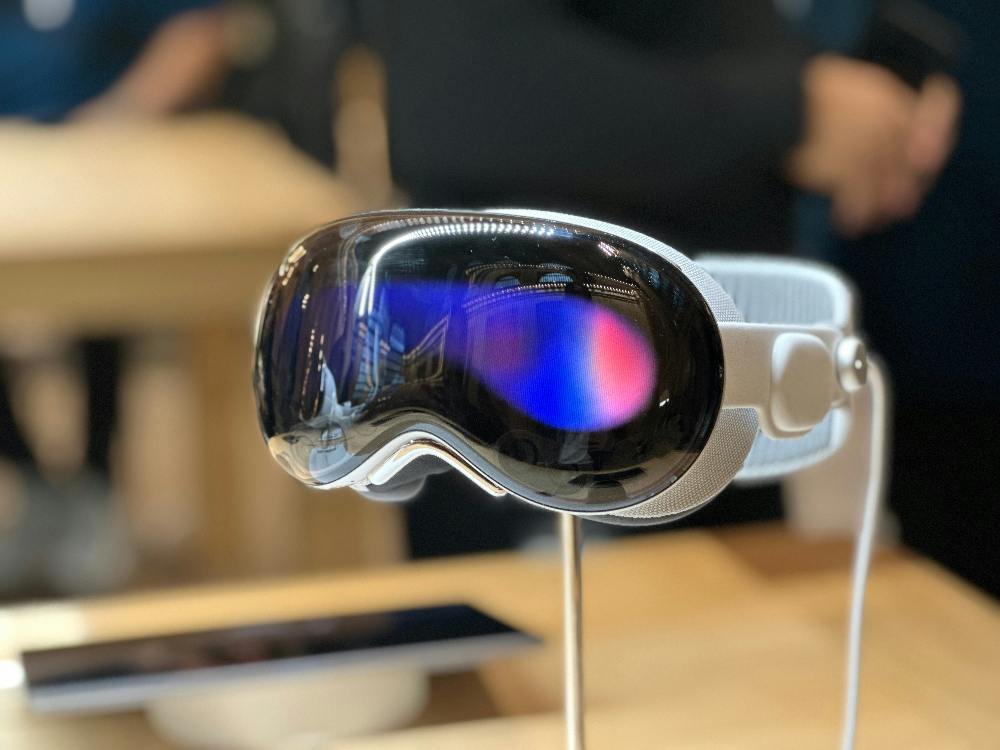
The Future of Augmented Reality: Apple's Vision with ARKit and AR Glasses
5 min read | 20 Jul 2026
More Articles

AR for Education: Making Learning Interactive and Fun
3 min read | 04 Nov 2026

AR Fashion: Trying Before Buying in Augmented Reality
5 min read | 03 Nov 2026

Virtual Social Spaces: Connecting Communities in VR
4 min read | 02 Nov 2026

Empowering Accessibility: AR and VR for People with Disabilities
5 min read | 01 Nov 2026