
Fleet Management: The Secret to Efficient Operations
5 min read
05 Oct 2026
 By Lewis Adam
Fleet management plays a pivotal role in optimizing vehicle operations, improving productivity, and reducing costs for businesses with large transportation fleets. This article explores the essential components, benefits, challenges, and future trends in modern fleet management.
Essential Components of Fleet Management
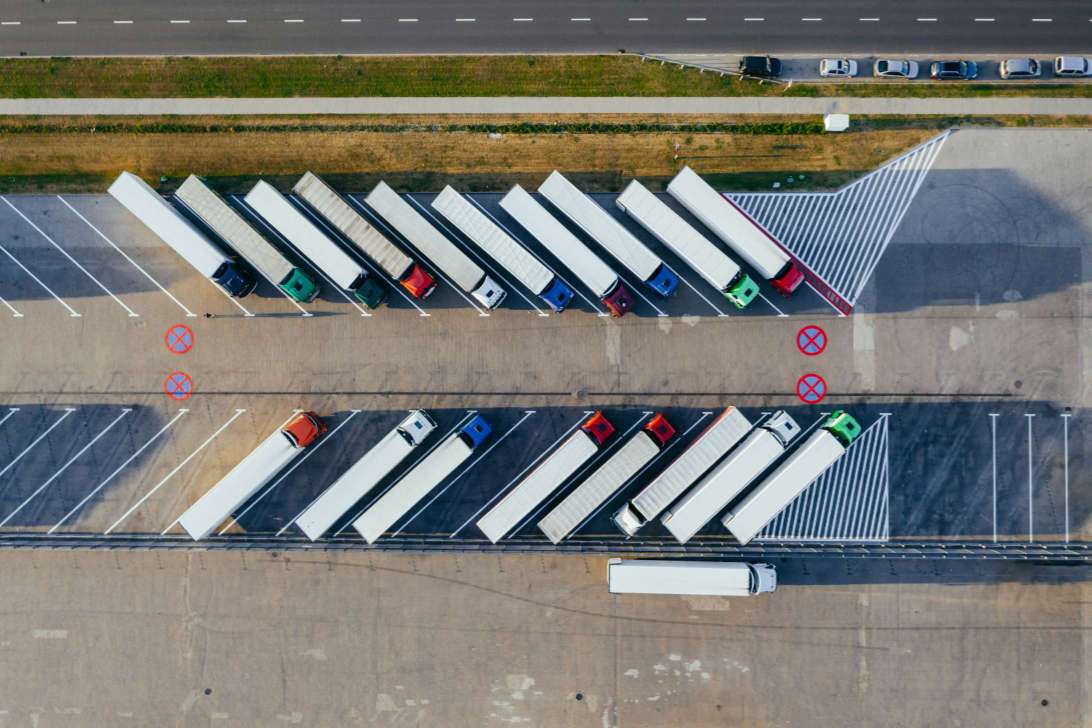
Vehicle Tracking: Utilizing GPS technology to monitor vehicle locations, routes, and driver behaviors in real-time.
Maintenance Scheduling: Implementing preventive maintenance programs to ensure fleet reliability and minimize downtime.
Fuel Management: Optimizing fuel consumption through efficient route planning, driver behavior monitoring, and fuel purchase strategies.
Benefits of Efficient Fleet Management
Cost Reduction: Lowering operational costs through optimized fuel usage, reduced maintenance expenses, and improved asset utilization.
Enhanced Productivity: Improving fleet efficiency with route optimization, streamlined dispatching, and reduced idle time.
Compliance and Safety: Ensuring regulatory compliance with driver hours-of-service rules, vehicle inspections, and safety standards to mitigate risks.
Challenges and Considerations
Technology Integration: Selecting and integrating fleet management software, telematics systems, and IoT devices for seamless data collection and analysis.
Driver Training and Engagement: Enhancing driver skills, safety awareness, and job satisfaction through ongoing training and performance monitoring.
Environmental Impact: Adopting eco-friendly practices, such as electric vehicles and carbon footprint reduction initiatives, to promote sustainability.
Future Trends in Fleet Management
Telematics Advancements: Leveraging advanced telematics solutions for predictive maintenance, remote diagnostics, and fleet analytics.
Autonomous Vehicles: Exploring the potential of autonomous trucks and drones for last-mile delivery and long-haul transportation.
Data-Driven Insights: Harnessing big data analytics and AI for real-time decision-making, predictive analytics, and operational optimization in fleet management.
Conclusion
Efficient fleet management is crucial for achieving operational excellence, reducing costs, and enhancing service delivery in transportation and logistics. By embracing technological innovations and best practices, businesses can optimize fleet performance, improve customer satisfaction, and stay competitive in a rapidly evolving marketplace.
FAQs
More Articles

The Role of Technology in Disaster Recovery and Relief
6 min read | 12 Aug 2026

The Future of Tech-Driven Transportation: Hyperloop and Beyond
4 min read | 11 Aug 2026
The Impact of 3D Bioprinting on Healthcare
5 min read | 10 Aug 2026

Tech Innovations in the Film Industry: From Production to Distribution
6 min read | 09 Aug 2026
More Articles

Synthetic Biology: Engineering Life at the Molecular Level
5 min read | 05 Nov 2026

Haptic Technology: Touch Feedback in Virtual Environments
5 min read | 04 Nov 2026
Cyber-Physical Systems: Bridging Physical and Digital Worlds
6 min read | 03 Nov 2026

Quantum Internet: The Next Generation of Secure Communication
4 min read | 02 Nov 2026