
Contactless Payments: The Safe, Fast, and Easy Way to Pay
6 min read
17 Oct 2026
 By Neha Jain
Contactless payments have revolutionized transaction methods by offering a safer, faster, and more convenient way to pay. This article explores the evolution, benefits, challenges, and future trends of contactless payment technology.
Evolution of Contactless Payments
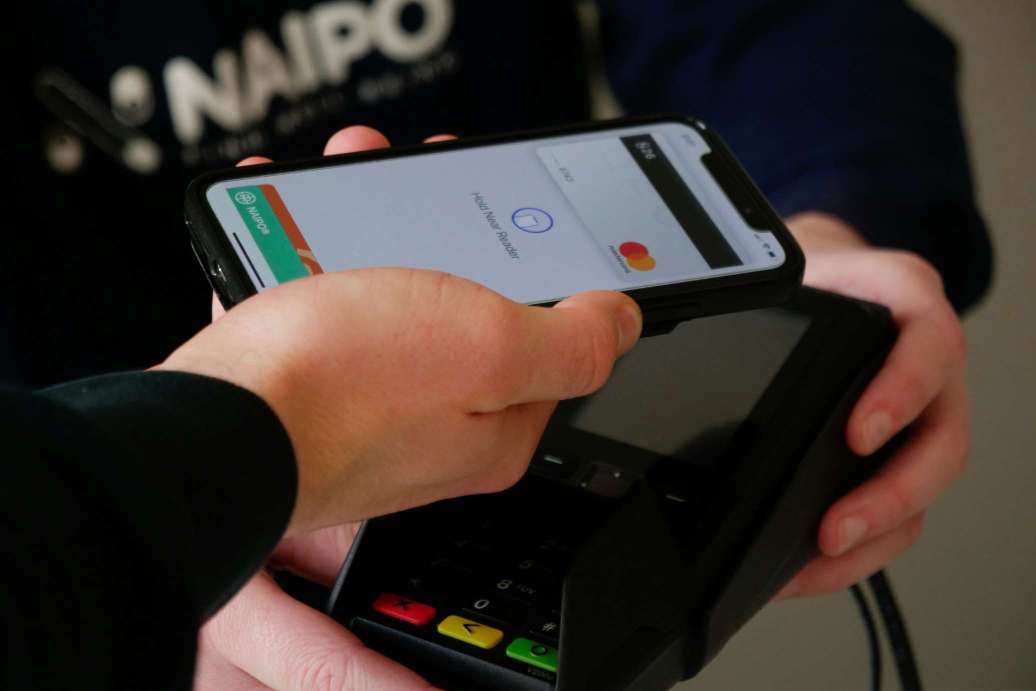
Introduction of NFC: The advent of Near Field Communication (NFC) technology enabled seamless payment transactions by tapping cards or devices at payment terminals.
Consumer Adoption: Rapid adoption driven by the need for speed, convenience, and enhanced security compared to traditional payment methods.
Expansion in Retail: Increasing acceptance at retail outlets, public transportation, and various service providers to accommodate growing consumer demand.
Benefits of Contactless Payments
Speed and Efficiency: Reducing transaction times significantly compared to cash or traditional card payments, leading to shorter queues and improved customer satisfaction.
Enhanced Security: Utilizing tokenization and encryption technologies to protect sensitive card information and reduce the risk of fraud and identity theft.
Convenience and Accessibility: Allowing users to make payments quickly and easily without the need to handle physical cash or enter PINs for smaller transactions.
Challenges in Contactless Payment Adoption
Infrastructure Readiness: Ensuring widespread availability of NFC-enabled terminals and devices to support seamless contactless transactions across various locations.
Consumer Trust and Education: Educating users about the security features, benefits, and proper usage of contactless payment technology to build trust and confidence.
Regulatory Compliance: Adhering to data protection regulations and standards to safeguard consumer information and ensure secure payment processing.
Future Trends in Contactless Payments
Mobile Wallet Integration: Increasing integration of contactless payment capabilities into mobile wallet apps, enabling users to manage multiple payment methods and loyalty programs.
Biometric Authentication: Enhancing security with biometric verification methods such as fingerprint scanning or facial recognition for authorizing contactless transactions.
IoT and Wearable Devices: Expanding payment options through connected devices like smartwatches and fitness trackers, allowing for convenient and seamless transactions on-the-go.
Conclusion
Contactless payments have emerged as a preferred choice for consumers and businesses alike, offering speed, security, and convenience in a rapidly evolving digital economy. As technology continues to advance and adoption grows, contactless payment solutions will continue to shape the future of financial transactions worldwide.
FAQs
More Articles

Mind-Controlled Gadgets: A Glimpse into Brain-Computer Interfaces
2 min read | 28 May 2026

The Challenges of Bias in AI: Can Machine Learning Ever Be Truly Fair?
5 min read | 25 Nov 2026

The Future of Quantum AI: What Happens When AI Meets Quantum Computing?
7 min read | 24 Nov 2026

How AI is Enhancing Video Games: Creating Smarter NPCs and Dynamic Worlds
6 min read | 23 Nov 2026
More Articles

The Future of Tech Revealed: How AR and AI Will Transform Your Daily Life!
6 min read | 19 Nov 2026

Why VR Is the Ultimate Game-Changer for Blockchain’s Future – Don’t Miss Out!
7 min read | 18 Nov 2026

Blockchain and AI: The Unlikely Partnership That’s Disrupting Every Industry!
7 min read | 17 Nov 2026

The Shocking Truth About How VR Is Changing the Face of AI Development!
5 min read | 16 Nov 2026