
Computer Vision: Applications and Innovations in AI
2 min read
18 Sep 2026
 By Aditi Sharma
Computer vision, a field within artificial intelligence (AI), has witnessed significant advancements and found widespread applications across various industries. From autonomous vehicles to medical imaging, computer vision plays a crucial role in enabling machines to interpret and understand the visual world. In this article, we explore the diverse applications and innovations in AI-powered computer vision.
Autonomous Vehicles: One of the most prominent applications of computer vision is in autonomous vehicles. By analyzing visual data from cameras mounted on the vehicle, computer vision systems can detect and recognize objects such as pedestrians, traffic signs, and other vehicles, enabling the vehicle to navigate safely and make informed decisions in real-time.

Medical Imaging: Computer vision has revolutionized medical imaging by automating the analysis of medical scans such as X-rays, MRIs, and CT scans. Advanced computer vision algorithms can assist radiologists in detecting abnormalities, tumors, and other medical conditions with high accuracy, leading to early diagnosis and improved patient outcomes.
Surveillance and Security: In the realm of surveillance and security, computer vision technology is used for video surveillance, facial recognition, and object tracking. By monitoring live video feeds, computer vision systems can detect suspicious activities, identify individuals of interest, and enhance overall security measures in public spaces, airports, and critical infrastructure.
Retail and E-commerce: Retailers leverage computer vision to enhance the shopping experience and optimize operations. Computer vision algorithms can analyze customer behavior, track inventory levels, and enable features such as cashier-less checkout and virtual try-on for clothing and accessories, thereby streamlining the retail process and improving customer satisfaction.
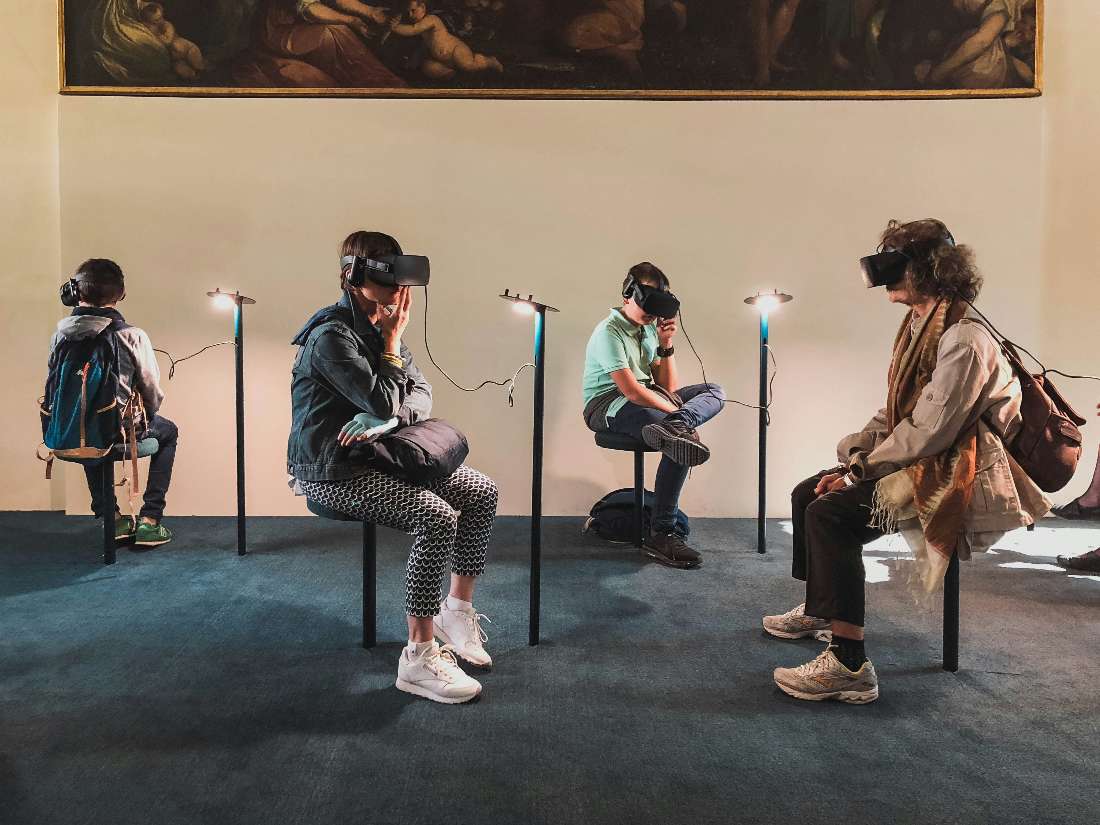
Augmented Reality (AR) and Virtual Reality (VR): Computer vision is a fundamental component of augmented reality and virtual reality technologies, enabling immersive experiences in gaming, entertainment, and education. By overlaying digital content onto the real-world environment, AR applications enhance the user's perception of reality, while VR environments create entirely virtual worlds for exploration and interaction.
Industrial Automation: In industrial settings, computer vision systems are used for quality inspection, defect detection, and robotic automation. By analyzing visual data from cameras installed on production lines, computer vision algorithms can identify defects or anomalies in manufactured products, ensuring high quality and efficiency in manufacturing processes.
Environmental Monitoring: Computer vision has also found applications in environmental monitoring and conservation efforts. By analyzing satellite images and aerial footage, computer vision systems can track deforestation, monitor wildlife populations, and assess environmental changes over time, providing valuable insights for environmental scientists and policymakers.
In conclusion, computer vision continues to drive innovation across various domains, from transportation and healthcare to retail and beyond. As AI algorithms become more sophisticated and datasets grow larger, the potential for computer vision to transform industries and improve human lives is immense. By harnessing the power of computer vision technology, we can unlock new opportunities for automation, efficiency, and discovery in the digital age.
FAQs
More Articles

AI and the Creative Arts: Exploring Machine Generated Music and Art
6 min read | 17 Oct 2026
AI in Education: Personalized Learning and Intelligent Tutoring Systems
7 min read | 16 Oct 2026
The Impact of AI on Employment: Job Displacement vs. Job Creation
4 min read | 15 Oct 2026

Machine Learning in E-commerce: Personalization and Customer Experience
7 min read | 14 Oct 2026
More Articles
Haptic Technology: Touch Feedback in Virtual Environments
5 min read | 04 Nov 2026
Cyber-Physical Systems: Bridging Physical and Digital Worlds
4 min read | 03 Nov 2026

Quantum Internet: The Next Generation of Secure Communication
6 min read | 02 Nov 2026
Swarm Robotics: Collective Autonomous Systems
6 min read | 01 Nov 2026