
Augmented Manufacturing: The Intersection of Reality and Digital
6 min read
14 Nov 2026
 By Oliver Davis
Augmented Manufacturing represents a transformative approach where digital technologies merge seamlessly with traditional manufacturing processes, enhancing capabilities and efficiencies across industries. This article delves into the concept of augmented manufacturing, its applications, benefits, and future implications.
Understanding Augmented Manufacturing
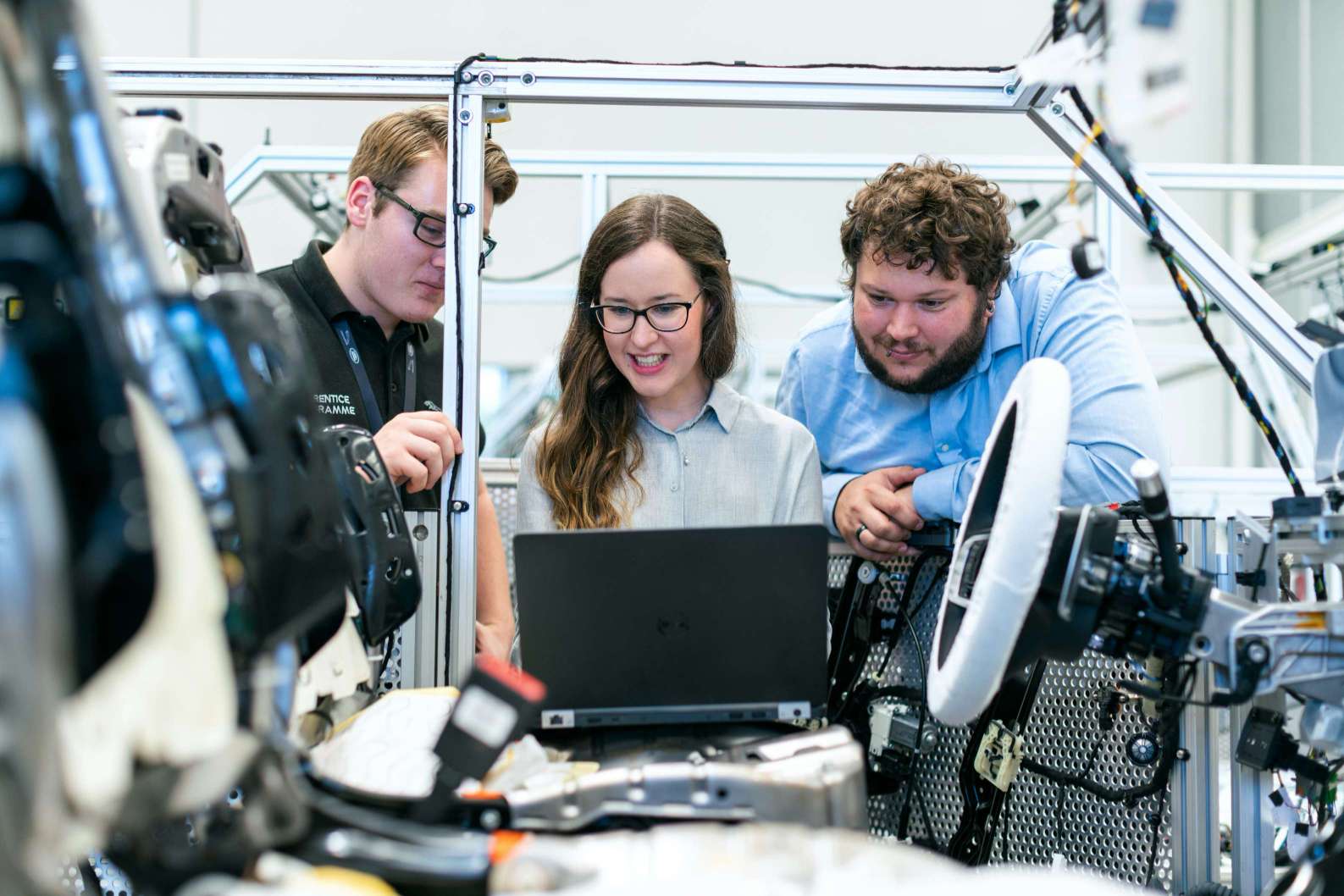
Augmented Manufacturing integrates advanced digital technologies, such as augmented reality (AR), virtual reality (VR), and mixed reality (MR), into traditional manufacturing workflows. These technologies overlay digital information onto physical environments, facilitating enhanced visualization, simulation, and interaction during production.
Applications of Augmented Manufacturing
Augmented Manufacturing finds applications across various sectors: Design and Prototyping: AR and VR enable designers and engineers to visualize and iterate on product designs in real-time, improving collaboration and accelerating prototyping processes. Training and Skills Development: AR-based simulations enhance training for manufacturing operators, allowing them to practice complex tasks in a safe, virtual environment.
Benefits of Augmented Manufacturing
Augmented Manufacturing offers several advantages: Enhanced Visualization: AR and VR technologies provide immersive 3D visualization of manufacturing processes, aiding in better decision-making and problem-solving. Improved Efficiency: By overlaying digital instructions and real-time data onto physical objects, augmented manufacturing reduces errors, streamlines workflows, and speeds up production.
Future Implications of Augmented Manufacturing
The future of augmented manufacturing is promising with advancements in: Digital Twins: Integrating digital twin technology with AR/VR enables real-time monitoring, predictive maintenance, and optimization of manufacturing processes. AI and Machine Learning: AI-driven algorithms enhance AR/VR applications by analyzing data, optimizing workflows, and enabling autonomous decision-making in manufacturing.
Conclusion
Augmented Manufacturing represents a significant paradigm shift in the manufacturing industry, leveraging digital technologies to enhance productivity, quality, and innovation. As AR, VR, and AI continue to evolve, augmented manufacturing is poised to revolutionize how products are designed, produced, and maintained, driving competitiveness and growth in the global market.
FAQs
More Articles

Innovations in Wearable Tech for Mental Health: Can Devices Improve Well-being?
6 min read | 24 Jul 2026

Android Security in the Spotlight: Trends and Challenges in Protecting User Data
6 min read | 23 Jul 2026

Customization Unleashed: Exploring the Best Android Launchers of 2024
5 min read | 22 Jul 2026

Android 13: What to Expect from Google's Next Mobile OS Iteration
4 min read | 21 Jul 2026
More Articles
The Challenges of Scaling Blockchain Technology: Solutions and Innovations
5 min read | 16 Nov 2026

Exploring the Intersection of Blockchain and Artificial Intelligence
7 min read | 24 Nov 2026
How Blockchain is Shaping the Future of Voting Systems and Electoral Integrity
7 min read | 23 Nov 2026
The Role of Blockchain in Sustainable and Green Technologies
6 min read | 22 Nov 2026