
AI in Marketing: Personalization and Customer Engagement
6 min read
17 Sep 2026
 By Sayan Gosh
Artificial Intelligence (AI) is revolutionizing the landscape of marketing, particularly in the realms of personalization and customer engagement. Businesses are increasingly leveraging AI-powered tools and algorithms to tailor their marketing efforts to individual consumers, thereby enhancing the overall customer experience and driving higher engagement rates.
Personalized Recommendations: One of the most prominent applications of AI in marketing is the generation of personalized product recommendations. By analyzing vast amounts of customer data, including browsing history, purchase patterns, and demographic information, AI algorithms can predict consumer preferences with remarkable accuracy. This enables businesses to deliver targeted recommendations and offers that are highly relevant to each individual customer, increasing the likelihood of conversion.

Dynamic Content Optimization: AI enables marketers to optimize content dynamically based on user behavior and preferences in real-time. Through A/B testing and machine learning algorithms, marketers can automatically adjust various elements of content, such as headlines, images, and calls-to-action, to maximize engagement and conversion rates. This level of personalization ensures that each customer receives content tailored to their interests and needs, leading to more meaningful interactions with the brand.
Predictive Analytics: AI-powered predictive analytics play a crucial role in understanding and anticipating customer behavior. By analyzing historical data and identifying patterns, AI algorithms can forecast future trends and customer actions with high accuracy. This insight empowers marketers to proactively address customer needs, optimize marketing campaigns, and allocate resources more effectively, ultimately driving better business outcomes.
Chatbots and Virtual Assistants: Chatbots and virtual assistants powered by AI have become invaluable tools for enhancing customer engagement and support. These intelligent systems can interact with customers in real-time, providing personalized recommendations, answering queries, and assisting with transactions. By automating routine tasks and providing instant assistance, chatbots enable businesses to deliver seamless and efficient customer experiences round the clock.
Hyper-Targeted Advertising: AI enables hyper-targeted advertising by leveraging data analytics to identify and segment audiences based on various criteria, such as demographics, interests, and behavior. This allows marketers to deliver highly relevant and personalized ads across multiple channels, including social media, search engines, and websites. By targeting the right audience with the right message at the right time, AI-driven advertising campaigns yield higher conversion rates and ROI.
Emotion Analysis: AI technologies can analyze customer sentiment and emotional responses to marketing campaigns through natural language processing (NLP) and image recognition. By understanding the emotions evoked by different marketing messages and visuals, businesses can tailor their content to resonate more deeply with their target audience. This emotional connection fosters stronger brand loyalty and enhances overall customer satisfaction.
Predictive Customer Service: AI-powered predictive analytics not only anticipate customer behavior but also enable predictive customer service. By identifying potential issues or concerns before they arise, businesses can preemptively address customer needs, minimize dissatisfaction, and prevent churn. Predictive customer service solutions powered by AI enhance customer retention and loyalty by delivering proactive support and personalized experiences.
In conclusion, AI is transforming marketing by enabling unprecedented levels of personalization and customer engagement. From personalized recommendations and dynamic content optimization to predictive analytics and chatbots, AI-driven solutions empower businesses to understand their customers better, anticipate their needs, and deliver tailored experiences at scale. As AI continues to evolve, its role in marketing will only become more central, driving innovation and redefining the future of customer engagement.
FAQs
More Articles

Training the Workforce: AR and VR in Corporate Learning and Development
2 min read | 22 Oct 2026

Navigating the World: AR and VR in Navigation and Mapping
6 min read | 21 Oct 2026
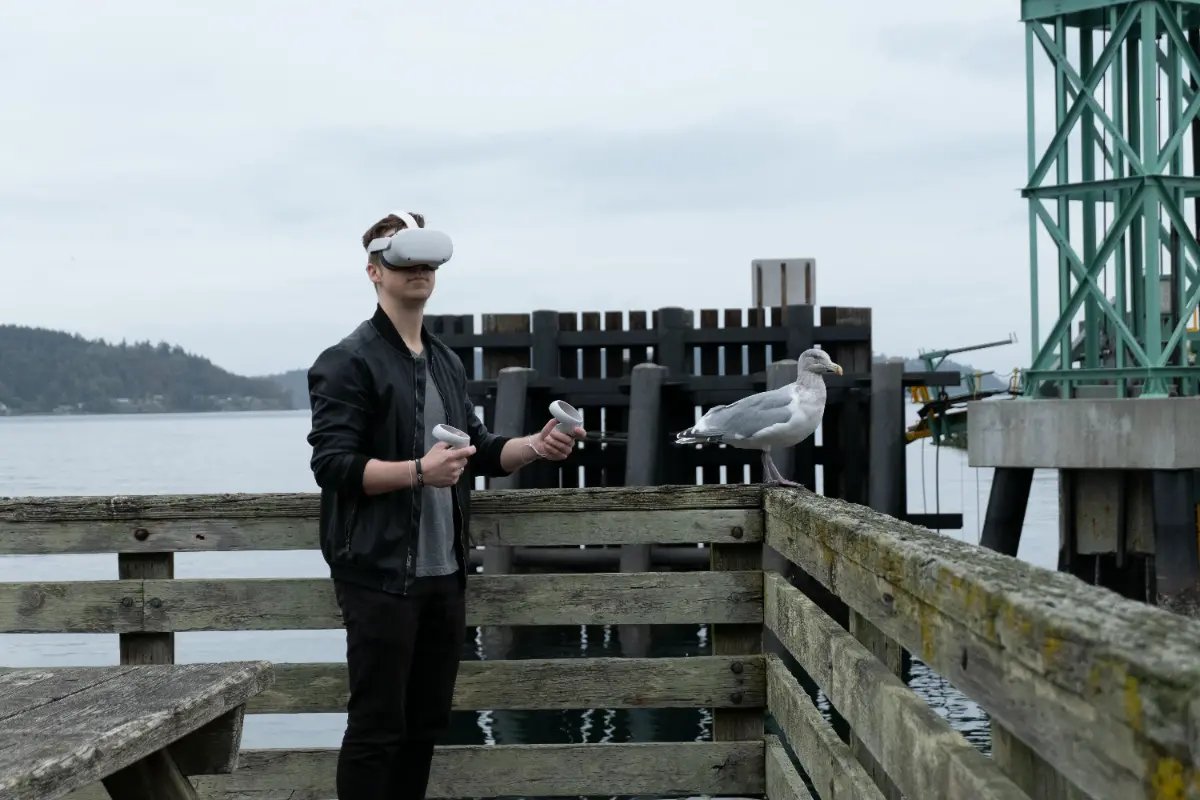
Enhancing Real Estate: The Role of AR and VR in Property Visualization
2 min read | 20 Oct 2026

AR and VR Entertainment: Redefining the Entertainment Industry
6 min read | 19 Oct 2026
More Articles

The AR Breakthrough That Will Make Blockchain Transactions Simpler Than Ever!
5 min read | 25 Nov 2026

How AI Is Making Blockchain Smarter and Safer – The Inside Scoop!
7 min read | 24 Nov 2026
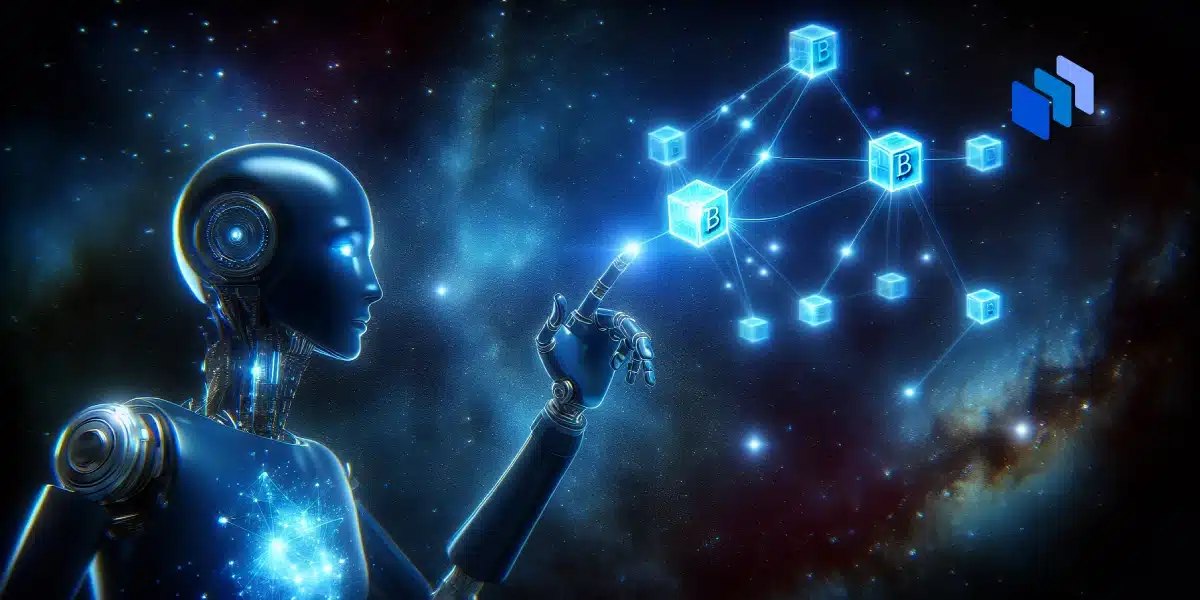
The Big Tech Twist: How VR Is Set to Disrupt Blockchain Like Never Before!
7 min read | 23 Nov 2026

Unlocking the Power of AR: How Augmented Reality Is Set to Revolutionize Blockchain!
5 min read | 22 Nov 2026