
AI in Agriculture: Precision Farming and Sustainable Practices
5 min read
19 Oct 2026
 By Neha Jain
Artificial Intelligence (AI) is transforming agriculture by enhancing efficiency, sustainability, and productivity. This article explores how AI technologies are revolutionizing farming practices, focusing on precision agriculture and sustainable techniques.
Precision Farming
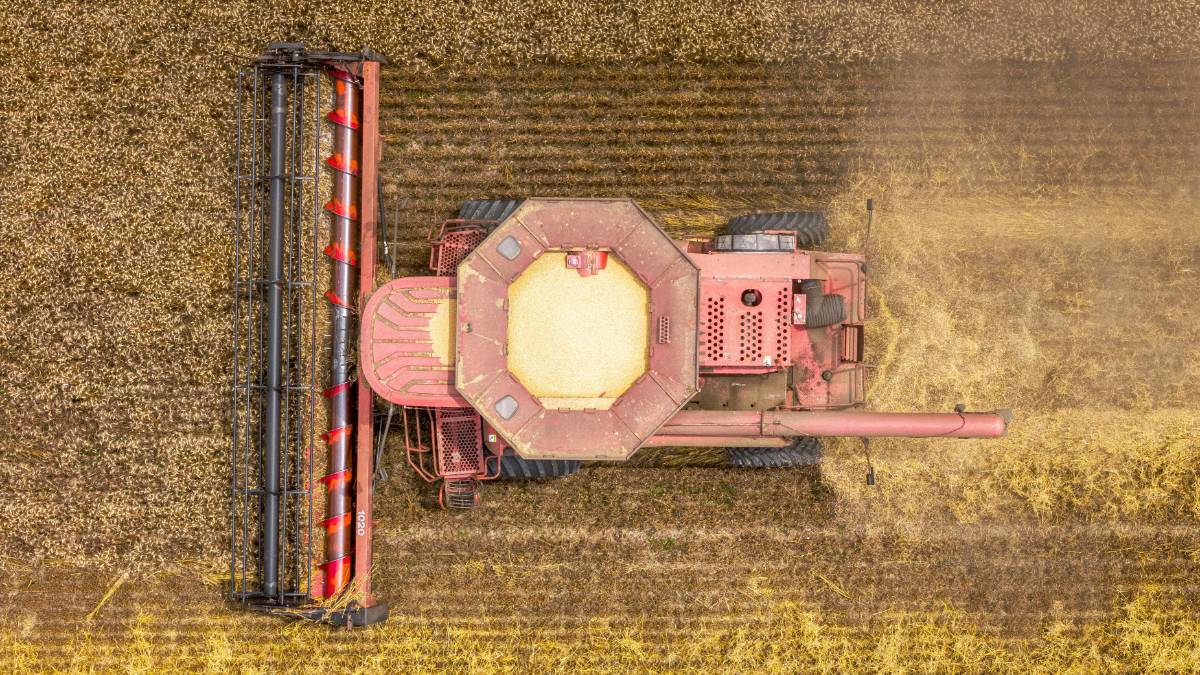
AI-powered precision farming utilizes data analytics, sensors, and IoT devices to optimize crop yields and reduce resource consumption. Machine learning algorithms analyze data from soil sensors, satellite imagery, and weather forecasts to provide insights on irrigation management, crop health monitoring, and optimal harvest times. This precision allows farmers to tailor their actions to specific field conditions, improving yield quality and quantity while minimizing environmental impact.
Crop Monitoring and Management
AI enables real-time crop monitoring through drone and satellite imagery analysis. These technologies detect early signs of pest infestations, diseases, or nutrient deficiencies, enabling prompt intervention. Automated systems can apply precise amounts of fertilizers or pesticides only where needed, reducing chemical usage and improving crop health. This targeted approach not only enhances sustainability but also reduces costs for farmers.
Smart Machinery and Robotics
Autonomous machinery and robotics powered by AI perform tasks such as planting, harvesting, and sorting with precision and efficiency. These machines can operate continuously, reducing labor requirements and operational costs for farmers. AI algorithms enable robotic systems to adapt to changing field conditions and crop types, improving overall farm productivity and profitability.
Predictive Analytics for Decision Making
AI-driven predictive analytics help farmers make data-driven decisions. By analyzing historical data on crop yields, weather patterns, market trends, and soil health, AI algorithms provide insights into future outcomes. Farmers can optimize planting schedules, choose suitable crop varieties, and negotiate better prices based on predicted market demand, enhancing profitability and risk management.
Sustainable Practices
AI promotes sustainable agricultural practices by optimizing resource use and reducing environmental impact. By minimizing water, fertilizer, and pesticide usage through precision farming techniques, AI helps conserve natural resources and mitigate pollution. These practices contribute to long-term environmental sustainability and resilience in agriculture, crucial for feeding a growing global population.
Challenges and Adoption
Despite its benefits, adopting AI in agriculture faces challenges such as high initial costs, data privacy concerns, and the need for farmer training. Addressing these challenges requires collaborative efforts from governments, tech innovators, and agricultural stakeholders to ensure equitable access to AI technologies and support sustainable farming practices globally.
Future Outlook
Looking ahead, AI's role in agriculture is poised to expand with advancements in robotics, remote sensing technologies, and AI-driven analytics. Innovations in autonomous farming systems and the integration of AI with IoT devices will continue to transform farming practices, making agriculture more efficient, sustainable, and resilient in the face of global challenges.
In conclusion, AI is revolutionizing agriculture by enabling precision farming techniques and promoting sustainable practices. By harnessing AI technologies, farmers can optimize resource use, improve productivity, and contribute to global food security while minimizing environmental impact. As AI continues to evolve, its integration into agriculture promises to reshape the future of farming worldwide.
FAQs
More Articles

Tech Innovations in the Film Industry: From Production to Distribution
6 min read | 09 Aug 2026

AI in Customer Service: Chatbots and Virtual Assistants
4 min read | 08 Aug 2026

The Role of Tech in Financial Inclusion: Reaching the Unbanked
4 min read | 07 Aug 2026

Artificial Intelligence in Sports: Enhancing Performance and Fan Engagement
5 min read | 06 Aug 2026
More Articles

The Future of Quantum Computing and Its Impact on AI
7 min read | 11 Nov 2026

AI and Blockchain: The Potential for Secure and Transparent Systems
6 min read | 10 Nov 2026

AI in Smart Cities: Improving Urban Living with Intelligent Systems
6 min read | 09 Nov 2026

The Role of AI in Enhancing Accessibility for People with Disabilities
7 min read | 08 Nov 2026