
AI for Environmental Monitoring: Tracking and Responding to Ecological Changes
5 min read
06 Nov 2026
 By Aditi Sharma
Artificial Intelligence (AI) is revolutionizing environmental monitoring by enabling precise tracking, analysis, and response to ecological changes. This article explores the transformative role of AI in environmental conservation, from biodiversity monitoring and climate modeling to sustainable resource management and disaster prevention.
Biodiversity Monitoring and Conservation
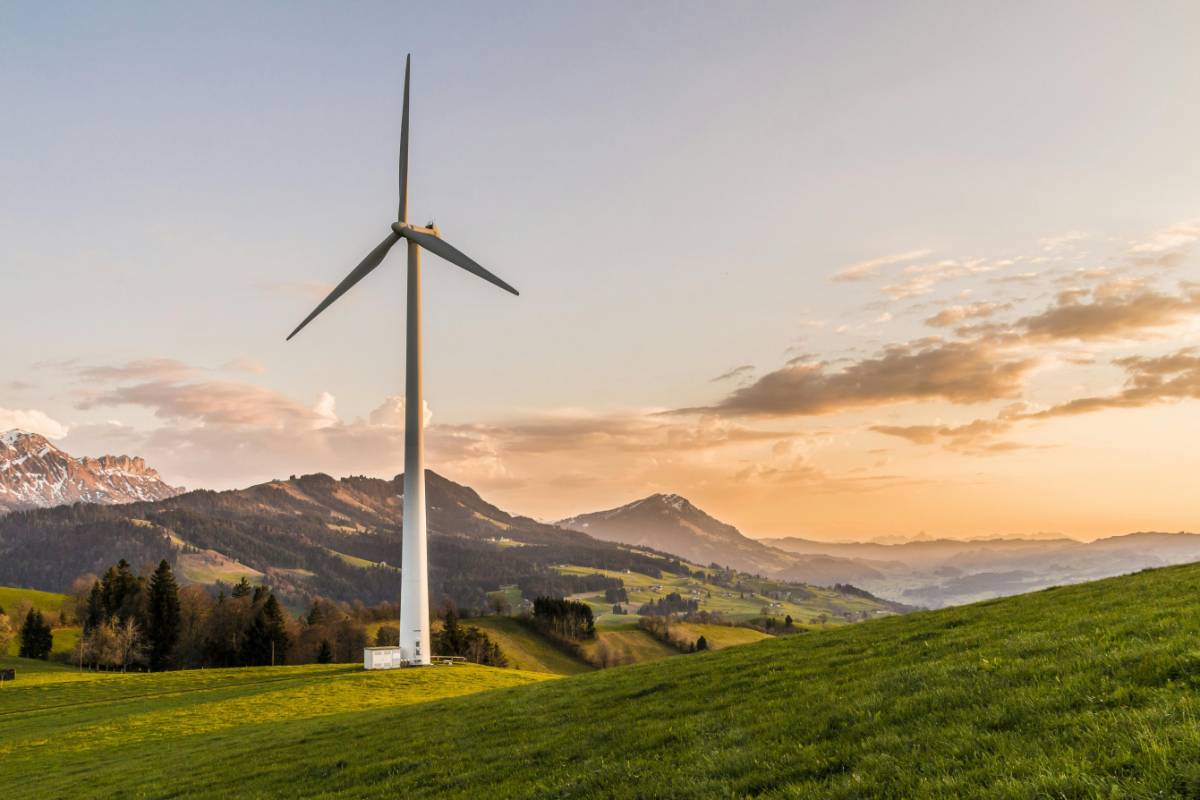
AI-powered tools enhance biodiversity monitoring by analyzing satellite imagery, acoustic data, and sensor observations to identify species distribution, habitat changes, and ecosystem health indicators. Machine learning algorithms detect patterns, predict species behavior, and assess conservation strategies, empowering researchers and conservationists to prioritize areas for protection and mitigate biodiversity loss.
Climate Modeling and Prediction
AI facilitates climate modeling by processing vast datasets, historical climate records, and predictive analytics to forecast weather patterns, extreme events, and climate change impacts. AI-driven climate models improve accuracy in predicting temperature trends, precipitation patterns, and sea-level rise, aiding policymakers, urban planners, and disaster management agencies in developing resilience strategies and adaptive responses to climate variability.
Natural Resource Management and Sustainability
AI optimizes natural resource management practices by analyzing environmental data, optimizing land use, and monitoring water quality and air pollution levels. Machine learning models optimize agricultural practices, improve forest management strategies, and enhance resource allocation efficiency, promoting sustainable development and ecosystem conservation.
Disaster Prevention and Response
AI enhances disaster prevention and response capabilities by analyzing real-time data from sensors, satellites, and social media to detect early warning signs, assess disaster risks, and coordinate emergency responses. AI-driven predictive analytics enable rapid decision-making, evacuation planning, and resource allocation during natural disasters, minimizing human casualties and infrastructure damage.
Challenges and Ethical Considerations
Implementing AI in environmental monitoring raises challenges such as data quality, algorithmic biases, and ethical implications of AI-driven decision-making in conservation and disaster response. Ensuring data integrity, addressing algorithmic fairness, and integrating local knowledge and community perspectives are crucial to building trust, fostering collaboration, and achieving sustainable outcomes in AI applications for environmental management.
Future Directions
The future of AI in environmental monitoring will likely see advancements in remote sensing technologies, AI-powered autonomous drones, and satellite constellations for global environmental surveillance. Innovations in AI-driven predictive analytics, blockchain-enabled environmental monitoring, and citizen science initiatives aim to enhance global collaboration, transparency, and accountability in addressing environmental challenges.
In conclusion, AI is transforming environmental monitoring by enhancing biodiversity conservation, climate resilience, and sustainable resource management through innovative technologies and data-driven insights. By leveraging AI responsibly and ethically, stakeholders can strengthen environmental stewardship, mitigate ecological risks, and achieve sustainable development goals for a resilient and thriving planet.
FAQs
More Articles

Blockchain: Hype or Revolution? Separating Fact From Fiction
6 min read | 26 Oct 2026

Blockchain Education: Equipping the Workforce for the Future
6 min read | 25 Oct 2026

Governments and Blockchain: Embracing Innovation for Public Good
7 min read | 24 Oct 2026

Blockchain for Developers: Unveiling the Building Blocks of a New Era
7 min read | 23 Oct 2026
More Articles
Industry 4.0: The Fourth Industrial Revolution Explained
5 min read | 26 Sep 2026
Smart Manufacturing: The Future of Production is Here
5 min read | 25 Sep 2026

High-Frequency Trading: The High-Stakes Game You Need to Know About
7 min read | 24 Sep 2026

Algorithmic Trading: How AI is Making Millionaires
6 min read | 23 Sep 2026